Kartes Nature
100 % free

Map, inventory, and track your biodiversity actions on the ground.

The biodiversity of your territory, finally mapped

Nest boxes, insect hotels, hedges, ponds, ecological corridors... Document and promote every concrete action in favor of nature.


Without the right tool, it's complicated

Actions are multiplying but remain scattered across files, reports, and spreadsheets.

Centralize

Gather all biodiversity data in one place.

Map

Locate each modification on an interactive map.

Follow

Document interventions and changes in habitats over time.

Enhance

Highlight efforts to citizens and partners.

The solution KARTES Nature

An operational mapping platform for inventorying and tracking biodiversity.

Mobile field application

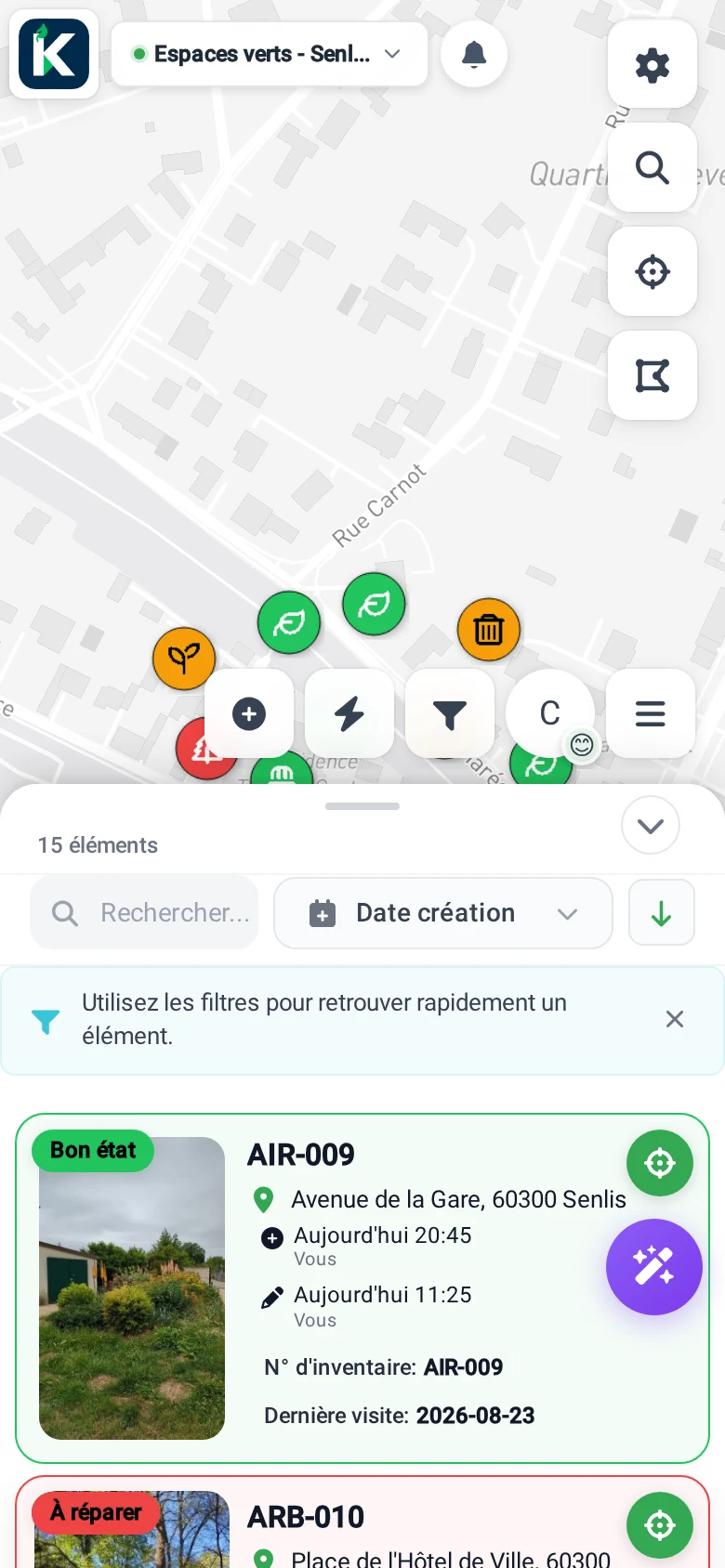
Record observations, photos, and locations directly on site, even without an internet connection.

Live Sheets

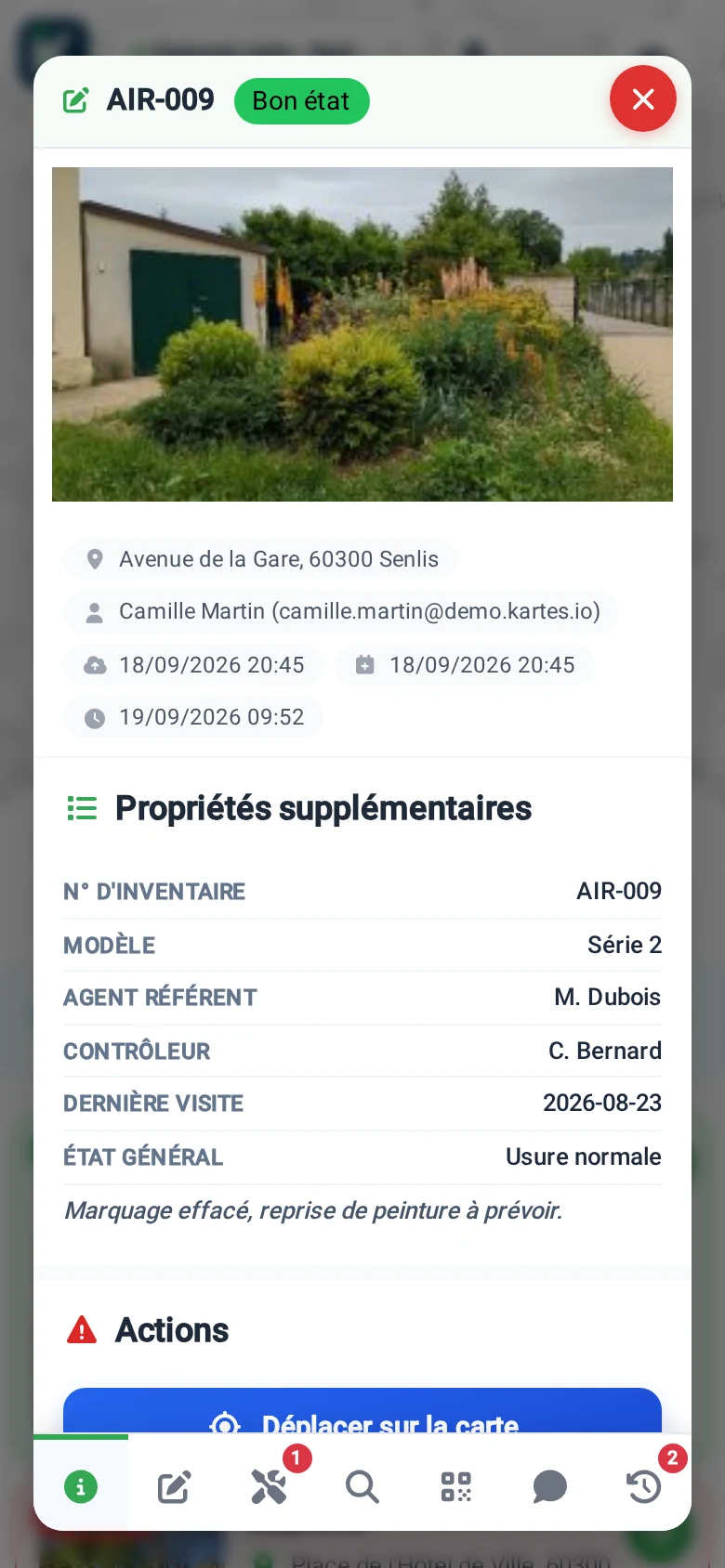
Each item includes location, photos, observations, and a history of interventions over time.

Dynamic Mapping

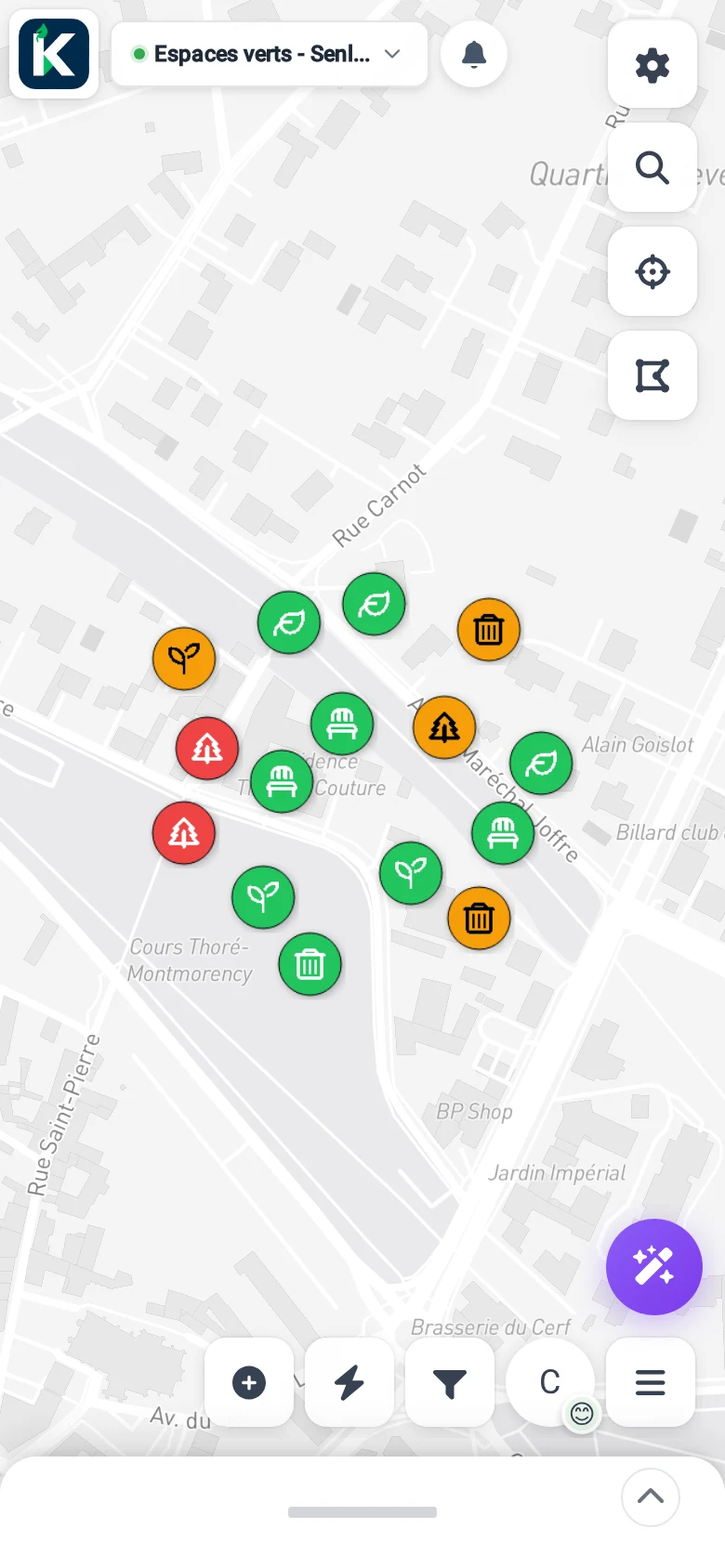
Visualize all biodiversity-related actions on an interactive map shared among services and territory stakeholders.

Examples of elements tracked

Pollinators

Insect hotels, beehives, bee-friendly areas, and bee-friendly installations.

Fauna

Nest boxes, bat houses, hedgehog shelters and animal biodiversity.

Habitats

Field hedges, ecological ponds, thickets, and ecological corridors.

Flore

Remarkable trees, natural meadows and areas of renaturation.

Promote pollinators

Their population is threatened. Many territories are acting. KARTES Nature accompanies them.

Map

Locate insect hotels, bee-friendly areas, and educational beehives on the territory.

Follow

Documenting installations, observations, and maintenance interventions.

Raise Awareness

Value initiatives and involve citizens in the protection of pollinators.

Experimentation on a pilot territory

Deploy KARTES Nature to test the mapping of your biodiversity actions.

01

Initial Inventory

Mapping of existing insect hotels, hedges, ponds, and bee-friendly areas.

02

Field tracking

Recording new installations and tracking interventions.

03

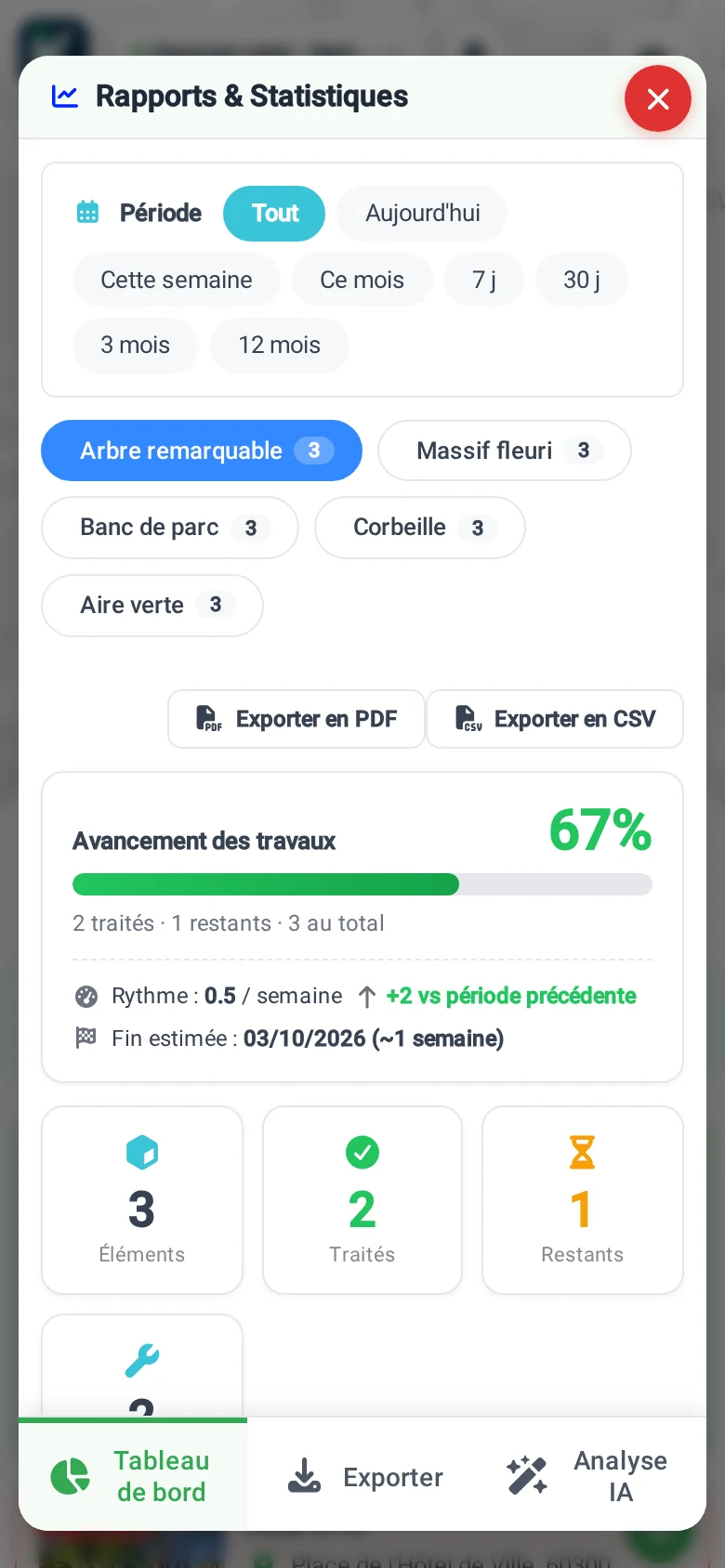
Analysis & Reports

Data visualization and promotion of local initiatives.

Vision of the project

KARTES Nature aims to become the reference tool for understanding, managing, and promoting the biodiversity of territories.

  • Coordination of local authorities, associations, and citizens
  • Collaborative Mapping of Local Initiatives
  • Long-term monitoring of the territory's biodiversity

Download free of charge KARTES Nature

100% free application, no subscription, dedicated to local authorities, associations, and biodiversity actors.

Available on Google Play Coming soon on the App Store Coming soon
27+ official layers — demand-driven extensible

Check the protected areas before each intervention

KARTES Nature natively integrates the official INPN, IGN, and ONF layers that field naturalists, ecologists, and ONF agents need. No more juggling with Géoportail or ministerial databases.

Natura 2000 (SIC + ZPS)

2 layers

Sites of Community Importance (habitats) and Special Protection Zones (birds). Check compliance with Habitats and Birds directives.

Source : INPN, IGN

ZNIEFF I & II

2 layers

Zones of Particular Natural Interest (Ecological, Faunistic and Floristic): Zones of Particular Interest (Type I) and Large Complexes (Type II).

Source : INPN, IGN

National Parks & Reserves

2 layers

Hearts and attachment areas of national parks, biological reserves RBI/RBD forested areas managed by ONF.

Source : INPN, IGN, ONF

Natural Heritage

1 layers

Sites classified and inscribed under the 1930 law. Essential for checking landscape protections before any development.

Source : IGN

Hydrography BD TOPO

1 layers

Watercourses, water bodies, wetlands. To identify riparian areas, ponds, and aquatic corridors.

Source : IGN

PPRN & public forests

2 layers

Natural Risk Prevention Plans and Public Forests ONF. Anticipating floods, land movements and forest statuses.

Source : IGN, ONF

IGN aerial photo

1 layers

High-resolution reconnaissance to identify ecological corridors, riparian zones, and terrain access prior to movement.

Source : IGN

Water distribution zones

1 layers

Areas where pressure on water resources requires specific management. Useful for environmental diagnostics.

Source : IGN

Official data, automatically updated. The admin selects active layers per workspace, each agent displays them according to their needs.

Extensible catalog: we regularly add new layers and can integrate custom ones tailored to your business needs.

Questions FAQ

Everything you need to know before getting started with KARTES Nature.

KARTES Does Nature provide access to protected areas (Natura 2000, ZNIEFF)?

Yes. KARTES Nature natively integrates official INPN/IGN layers: Natura 2000 SIC and ZPS, type I and II ZNIEFF, national parks, ONF biological reserves, classified sites, PPRN. Your agents can check the protection status of an area at a glance before each intervention, including offline thanks to the cache.

How much does it cost KARTES Nature?

The application KARTES Nature is completely free, with no subscription or credit card required. It is made available as part of a territorial experiment, accessible to all local authorities, associations, and stakeholders committed to the biodiversity of their territory.

How to map the biodiversity of a commune?

With KARTES Nature, your agents geolocate and photograph every biodiversity action from their smartphone: nest boxes, insect hotels, hedges, ponds, ecological corridors. The data aggregates on an interactive, shareable map among services and territory actors.

Who is this addressed to KARTES Nature?

KARTES Nature is aimed at local authorities (municipalities, intermunicipalities, natural parks), environmental associations, green space managers, and any stakeholder wishing to inventory, monitor, and concretely promote actions in favor of biodiversity on their territory.

What biodiversity elements can be tracked with KARTES Nature?

Nest boxes, insect hotels, beehives, bat houses, hedgehog shelters, hedgerows, ecological ponds, corridors, notable trees, natural meadows, renaturation areas... All tangible elements of biodiversity development and protection can be inventoried and monitored.

KARTES Does Nature work without an internet connection?

Yes, KARTES Nature operates in offline mode. Agents record observations, photos, and locations on-site without a network connection. Synchronization occurs automatically as soon as the connection is restored. Ideal for natural areas with no mobile coverage.

How to share biodiversity data between departments and partners?

Each territory can share its inventories and indicators with other services, partner associations, or citizens. The mapping is collaborative and involves multiple stakeholders, which facilitates the coordination of biodiversity actions at the scale of a municipality or an intermunicipal community.

Do you need to be an expert in biodiversity to use KARTES Nature?

No, the interface is intentionally accessible. A record is created through photos and drop-down menus, without prior naturalist knowledge. The types of elements are pre-configured (nesting boxes, ponds, hedges...) and agents can add detailed notes and photos if needed.

How to participate in the experiment KARTES Nature?

Contact the team KARTES from the dedicated form to join the experiment. We support your community or association in getting started, configuring element types, and defining indicators tailored to your territorial challenges.

KARTES Nature

Participate in the experiment

Community, association, or biodiversity actor?
Test KARTES Nature in your territory.