Interventions on Transport ticket vending machines
Introduction to public transportation ticket machines
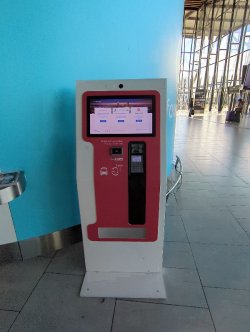 Public transportation ticket machines are essential devices that facilitate the purchase of tickets. Found in train stations, subway stations, tram stops, and some bus stops, these machines allow travelers to quickly obtain their transport tickets or recharge their transport cards, thereby reducing waiting times at ticket counters.
Why use a public transport ticket vending machine?
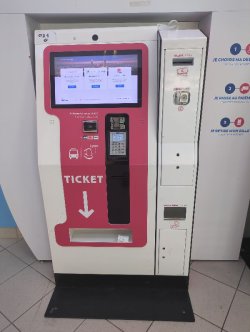 Transport ticket machines offer several advantages:
- 24/7 accessibility: Available at all times, they allow users to purchase a transport ticket at any time.
- Time saving: Avoids queues at ticket offices and streamlines access to transport.
- Various payment methods: Accepts cash, credit card, or contactless payments.
- Multilingual interface: Suitable for tourists and international travelers.
- Environmentally friendly: Some models offer paperless tickets or transportation card reloading.
Main features of ticket machines
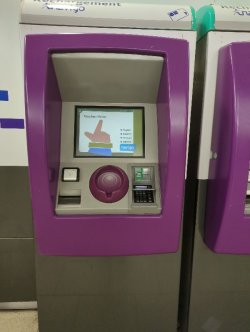 Ticket machines are designed to meet users' needs by incorporating advanced features:
1. Purchase and top-up of transport tickets
Travelers can purchase different types of transport tickets:
- Single tickets.
- Daily or weekly passes.
- Monthly or annual passes.
- Contactless transit card reloading.
2. Intuitive user interface
Touchscreens make it easy to navigate and select options. Voice guidance may also be available for visually impaired individuals.
3. Ticket printing and dematerialization
Depending on the model, ticket machines can print paper tickets or generate a QR code that can be used on a smartphone.
4. Security and vandalism resistance
Designed for intensive use, these machines incorporate anti-fraud and anti-vandalism features (reinforced casings, built-in surveillance cameras, secure payment systems).
How to use a public transport ticket machine?
Using a public transport ticket machine is quick and easy:
- Choose your ticket: Select the type of ticket or pass you want.
- Indicate the quantity: Select the number of tickets you want to buy.
- Pay: Use a credit card, contactless payment, or cash, depending on the options available.
- Collect your ticket: Printed or sent as a QR code.
Ticket machine maintenance and servicing
To ensure optimal operation, ticket machines require regular maintenance. This includes:
- Cleaning screens and keyboards.
- Reloading paper for ticket printing.
- Updating software and fares.
- Checking and securing payment systems.
- Repairing breakdowns and combating vandalism.
Conclusion
Public transportation ticket machines play a key role in keeping urban traffic flowing smoothly. Thanks to their accessibility, ease of use, and advanced features, they simplify the purchase of tickets and improve the passenger experience. Effective maintenance ensures they function properly and contributes to a more efficient public transportation service.
Regulations and standards for public transport ticket vending machines
Public transport ticket vending machines are essential equipment for ensuring the accessibility and fluidity of public transport. Their design, installation, and maintenance are subject to strict regulations and technical standards to ensure their compliance, safety, and accessibility to users. This article presents the main regulations and standards governing the use of these devices.
Regulatory requirements for transport ticket vending machines
Ticket vending machines must comply with several national and international regulatory frameworks that guarantee their proper functioning and accessibility.
1. Accessibility for people with reduced mobility (PRM)
In accordance with regulations on the accessibility of public facilities, transport ticket vending machines must be accessible to people with disabilities. This includes:
- Suitable access height for wheelchair users.
- Ergonomic touch interfaces and voice guidance for visually impaired people.
- Braille labels and high contrast on screens and buttons.
- Voice synthesis systems for audio assistance to users.
2. Transaction security and data protection
Transport ticket vending machines must comply with payment security standards:
- PCI DSS (Payment Card Industry Data Security Standard) for the protection of banking transactions.
- Encryption of user data to prevent fraud.
- Anti-skimming devices to prevent the theft of banking data.
3. Electrical and weather resistance standards
Outdoor ticket vending machines must comply with robustness standards:
- IP54 to IP65 standard: Protection against dust and moisture.
- IK10 standard: Resistance to vandalism.
- Protection against electrical surges and compliance with local low voltage regulations.
4. Compliance with interoperability standards
Ticket vending machines must be compatible with different transport systems:
- Reading and reloading contactless transport cards (NFC, RFID).
- Issuing tickets with QR codes for integration with mobile applications.
- Compatibility with centralized ticketing systems for transport networks.
Maintenance and legal obligations
Transport operators are responsible for maintaining ticket vending machines and must comply with certain obligations:
1. Periodic checks and technical inspections
- Regular inspection of electronic components and payment devices.
- Cleaning of screens, keyboards, and printers to ensure smooth operation.
- Conformity tests to ensure that the machine complies with current standards.
2. Updating fares and software
- Synchronization with current fare schedules to avoid billing errors.
- Software updates to enhance security and optimize performance.
3. Incident management and repairs
- Deployment of specialized technicians in the event of breakdown or vandalism.
- Automatic reporting of malfunctions via an intervention tracking application.
Penalties for non-compliance
Failure to comply with regulations on ticket vending machines may result in:
- Fines for non-compliance with accessibility standards.
- Deactivation of machines in the event of serious breaches.
- Financial penalties for non-compliance with data protection regulations.
Conclusion
Public transportation ticket machines are subject to a strict regulatory framework that guarantees their accessibility, security, and compliance with payment and ticketing standards. Rigorous maintenance and compliance with current standards ensure a smooth and secure service for all public transportation users.
Key players and service providers in public transport ticket vending machines
Public transport ticket vending machines play an essential role in the efficient management of public transport networks. Their design, manufacture, installation, and maintenance are carried out by various specialized players. This article presents the main manufacturers and maintenance providers involved in the automatic ticket vending machine sector.
Manufacturers of public transport ticket vending machines
Several companies stand out in the design and manufacture of automatic ticket vending machines tailored to the needs of public transport networks:
- NCR Corporation: A global leader in transaction technologies, NCR offers comprehensive solutions for ticket and fare vending machines, incorporating advanced features to enhance the user experience.
- FELA Management AG: Specializing in ticketing solutions, FELA provides ticket vending machines and sales solutions that meet the requirements of modern transport companies. :contentReference[oaicite:0]{index=0}
- eKiosk: European company offering a range of self-service terminals, including ticket vending machines, suitable for various sectors, including public transport. :contentReference[oaicite:1]{index=1}
Ticket vending machine maintenance providers
The maintenance of ticket vending machines is crucial to ensuring their proper functioning and user satisfaction. Several specialized companies offer tailored maintenance services:
- Brink's: A company renowned for its security services, Brink's also offers maintenance services for ATMs, including loading, management, and troubleshooting. :contentReference[oaicite:2]{index=2}
- Specialized maintenance technicians: These professionals install, commission, maintain, and repair ATMs, ensuring their availability and reliability. :contentReference[oaicite:3]{index=3}
Importance of regulated and optimized maintenance
The maintenance of automatic ticket vending machines is subject to a strict legal framework. Effective management of field interventions is essential to prevent breakdowns, which can have significant consequences for users and transport operators. :contentReference[oaicite:4]{index=4}
Conclusion
Public transport ticket machines are central to the efficiency of public transport networks. Their design and maintenance rely on the expertise of innovative manufacturers and specialized maintenance providers. Close collaboration between these players ensures a reliable, high-quality service for users.
Choosing a service provider for the maintenance of public transport ticket machines
Public transport ticket machines are essential equipment for ensuring smooth and rapid access to transport services. Their proper functioning relies on regular maintenance and effective cleaning. Choosing the right maintenance provider or cleaning company is a crucial step in ensuring the reliability and durability of these machines. Why is ticket machine maintenance essential? A malfunctioning or poorly maintained ticket vending machine can lead to queues, frustration for users, and financial losses for operators. Preventive and corrective maintenance helps to:
- Reduce the failure rate and improve the availability of dispensers.
- Extend the life of the equipment.
- Ensure an optimal user experience.
- Comply with applicable standards and regulations.
Criteria for selecting a maintenance provider
When choosing a ticket machine maintenance provider, several criteria must be taken into account:
1. Experience and expertise
A good provider must have proven experience in transport equipment maintenance and in-depth knowledge of the technologies used in ticket vending machines.
2. Responsiveness and availability
Speed of response is a key criterion. Check whether the service provider offers 24/7 support and is able to respond quickly in the event of a breakdown.
3. Monitoring and management solutions
An effective service provider must offer an intervention management solution with real-time monitoring of operations via a dedicated application or platform.
4. Compliance with standards and certifications
Ensure that the provider complies with current standards for vending machine maintenance, particularly in terms of safety and compliance with local regulations.
Criteria for choosing a cleaning provider
A clean ticket dispenser improves the user experience and limits premature wear and tear on equipment. Here are the points to check when choosing a cleaning service provider:
- Use of appropriate products: Some electronic components require specific cleaning solutions.
- Frequency of cleaning: The service provider must offer a regular cleaning schedule based on machine usage.
- Experience in cleaning vending machines: Choose a specialist in cleaning electronic equipment.
Conclusion
Choosing a maintenance or cleaning service provider for public transport ticket machines is a strategic decision that impacts user satisfaction and the efficiency of the transport network. By choosing an experienced, responsive, and compliant partner, you can guarantee the performance and longevity of your equipment.
Using an application to track public transport ticket machine maintenance
Public transport ticket machines are essential equipment for the day-to-day management of public transport. Their proper functioning depends on constant monitoring of maintenance and cleaning operations. Adopting a maintenance tracking application for these machines not only ensures their availability, but also optimizes operations management. This article explores the benefits of using such an application to improve the management of public transport ticket machines.
What is a maintenance tracking app?
A maintenance tracking app is a digital tool for managing, planning, and tracking all maintenance and cleaning activities performed on public transportation ticket vending machines. It allows you to centralize all information related to interventions, from planning to completion. The advantages of an intervention tracking application The advantages of such an application are numerous, both for transport network managers and for maintenance teams and transport service users. Here are some key benefits:
1. Real-time intervention tracking
An intervention tracking application allows real-time monitoring of the status of ticket machines and ongoing interventions. This ensures optimal management of operations and rapid response in the event of a breakdown or cleaning requirement.
2. Optimized intervention management
Managers can schedule maintenance and cleaning interventions based on priorities, geographic areas, and traffic schedules. This helps prevent unexpected breakdowns and ensures better availability of ticket machines.
3. Centralization of data
All data relating to ticket machines (service history, repair times, costs) is centralized and accessible in real time. This centralization facilitates management and decision-making to optimize equipment maintenance.
4. Improved communication and collaboration
Service tracking applications enable smooth communication between different stakeholders, such as maintenance technicians and equipment management managers. Automatic notifications and alerts ensure that information is shared quickly and efficiently.
5. Maintenance contract management
Work order management applications often include features for tracking maintenance contracts, recording renewal dates, and ensuring compliance with service provider contractual obligations.
Key features of a work order tracking application
A service tracking application for public transportation ticket machines must have several key features to be effective:
- Real-time service tracking: Allows you to instantly see the status of machines and scheduled services.
- Intervention planning: Planning tool for organizing maintenance and cleaning interventions efficiently.
- Notifications and alerts: Automatic alerts to notify managers of issues that need to be resolved quickly.
- Reports and analysis: Generates detailed reports on completed interventions, including costs and vending machine downtime.
- Spare parts inventory management: Tracks the supply and management of parts needed for vending machine maintenance.
How to choose the right application for tracking interventions?
To choose the best intervention tracking application, several criteria must be considered:
- Ease of use: The application must be intuitive and easy to use for maintenance teams.
- Compatibility with equipment: Ensure that the application is compatible with the different types of ticket vending machines you use.
- Features tailored to your needs: The application must offer features specific to the management of automatic ticket dispensers, such as intervention planning and contract tracking.
- Security and confidentiality: It is important that the application complies with data security standards and protects sensitive information related to interventions.
Conclusion
Using a service call tracking application for public transportation ticket vending machines is an effective solution for optimizing maintenance management, reducing breakdowns, and improving the user experience. With features such as real-time tracking, intervention planning, and data centralization, this application ensures a smooth and reliable public transportation service.