Interventions on bus shelter
The bus shelter, this piece of urban furniture that we encounter every day without really paying attention to it, is nevertheless an essential component of mobility in France. With more than 100,000 passenger shelters distributed across the territory, these facilities protect millions of public transport users every year from rain, wind, and the sun. This comprehensive guide explores everything you need to know about the bus shelter: its history, its standards, its stakeholders, its maintenance, and the digital tools that are revolutionizing its upkeep.
What is a bus shelter and what is it really used for?
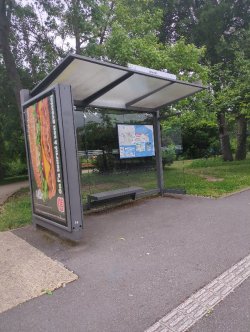 Let's start with a small vocabulary point, because not everyone knows it. The word "Abribus" (with a capital A) is actually a trademark registered by JCDecaux in 1964. The official term, the one you find in tender documents and regulatory texts, is abri voyageurs or aubette. In practice, the term abribus has become established in everyday language, much like "frigidaire" for a refrigerator.
On site, the bus shelter fulfills much more than just a simple function of protection against the weather. It is a true concentration of urban services, a landmark in the city, and sometimes even a communication support for the community. In short, a multifunctional small building that says a lot about how a municipality manages its public space.
The main functions of the passenger shelter
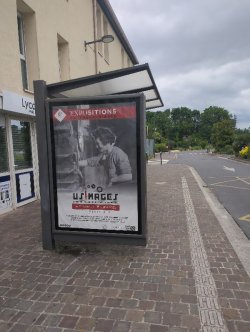 A well-designed bus shelter performs several roles simultaneously. First, protection from the elements: rain, wind, snow, sun... Passengers waiting for their bus, coach, or tram must be able to wait in decent conditions. On interurban routes where waiting can last thirty minutes or more, this protection is not a luxury.
Next comes the signage. The bus shelter incorporates information panels on routes, schedules, and network maps. These data, once printed on simple plastic sheets, are now moving toward digital formats with screens connected in real time to the traveler information system (SIV). In many cases, municipal or intercommunal displays are also found.
The role of urban furniture is just as important. The bus shelter contributes to the aesthetics of public space. Its design, materials, and color contribute to the visual identity of a neighborhood or an entire city. Paris, for example, entrusted the design of its bus shelters to British architect Norman Foster in the 1990s, then to Marc Aurel for the next generation. The result? A piece of urban furniture instantly recognizable, perfectly integrated into the Parisian landscape.
Finally, there is the advertising dimension. This is actually where the economic model invented by Jean-Claude Decaux in 1964 resides: the community benefits from the passenger shelter for free, the installation and maintenance of which are funded by the advertising revenue generated by the integrated panels. A win-win system that has proven its worth for more than sixty years.
What are the different types of bus shelters?
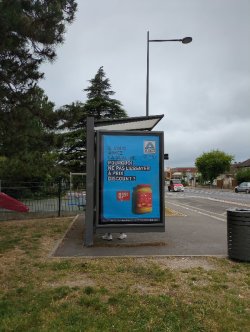 Not all bus shelters are the same, far from it. The choice of model depends on the urban context, the passenger flow, the local climate, and the community's budget. Several major categories can be distinguished:
- Transparent cladding bus shelter : the most common type in urban areas. The walls made of tempered glass or polycarbonate offer optimal visibility, both for users (who can see the bus approaching) and for pedestrians (safety-enhancing effect). This type of shelter also promotes natural lighting.
- Opaque or mixed cladding bus shelter: it is mainly found in areas exposed to wind or in sectors with a strong architectural identity. Solid panels can be made of lacquered steel, wood, concrete, or Corten steel for a more contemporary look.
- Concrete passenger shelter: particularly resistant to impacts and vandalism, it is suitable for harsh environments. Some manufacturers, such as Francioli, offer polished granite models with anti-graffiti treatment, highly sought after in suburban and rural areas.
- The modular bus shelter : a concept gaining ground. The principle is simple: basic modules (generally 3 meters by 1.5 meters) that are assembled according to needs. This solution allows the size of the shelter to be adapted to the number of users without starting from scratch.
- The connected or "smart" passenger shelter: the latest generation of equipment, these bus shelters integrate real-time information panels, USB outlets for charging, Wi-Fi, and even photovoltaic panels for energy autonomy. Some experimental models go as far as producing potable water from ambient humidity.
What materials for a durable bus shelter?
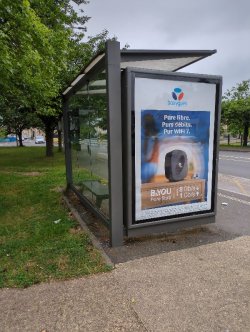 The choice of materials is strategic. A bus shelter is constantly exposed to climatic hazards (rain, freezing, UV), to vehicle splashes, to accidental impacts, and, it must be said, to vandalism. In France, the most commonly used materials are galvanized steel or painted steel (mechanical strength, ease of shaping), aluminum (lightweight, corrosion-resistant), tempered safety glass (transparency, safety), polycarbonate cellular or solid (glass alternative, lighter and impact-resistant), and concrete (maximum robustness, landscape integration).
Finishes also matter enormously. An anti-graffiti treatment applied right from the factory significantly facilitates later cleaning. Likewise, RAL color options allow for fine customization to harmonize with the rest of the urban furniture in the municipality. In practice, more and more local authorities are choosing subdued tones (anthracite gray, sandblasted black) rather than the traditional municipal green or blue.
The sheltered bus stop at the heart of urban development
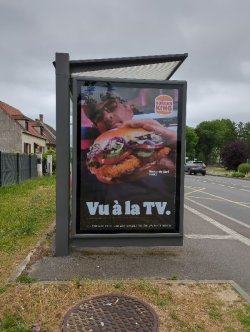 Installing a passenger shelter is not just about placing a structure on a sidewalk. It is a full-fledged urban planning act. The placement must take into account the width of the pedestrian path (a minimum of 1.40 meters clear between the shelter and the edge of the platform), accessibility for people with reduced mobility, visibility for bus drivers, proximity to pedestrian crossings, and orientation in relation to prevailing winds.
The orientation of the shelter, precisely, is a parameter that engineering offices sometimes underestimate. A poorly oriented shelter, with its back to the prevailing wind, offers almost no protection to its users. On site, feedback shows that public acceptance of a shelter largely depends on this detail. A user who regularly gets soaked despite the shelter's presence will eventually stop using it, or even complain to the town hall.
In cities with a strong visual identity, traveler shelters must also integrate harmoniously into the landscape. Some municipalities impose specific materials or colors in their specifications. Others hire designers to create unique models that are consistent with the local heritage. This is the case in Montpellier with the Corten steel canopies designed for the tramway line, or in Paris with the Foster and Aurel range.
Some key figures on bus shelters in France
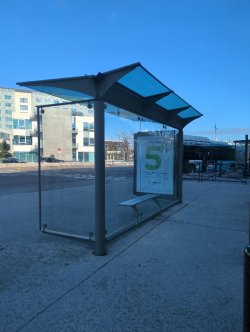 To understand the importance of this urban furniture, here are some telling figures. JCDecaux, the global leader in the sector, operated alone nearly 117,000 advertising surfaces of urban furniture in France in 2017. The group employs about 3,500 people on French territory and operates in more than 3,900 cities with more than 10,000 inhabitants worldwide. The French urban furniture market as a whole is estimated at nearly one billion euros, according to a 2024 Xerfi study.
The number of public shelter units in France is in the tens of thousands, distributed among major urban areas, medium-sized cities, and rural regions. A standard bus shelter costs approximately 2,000 euros HT, but this amount can rise to several tens of thousands of euros for designer, connected, or custom models. Annual maintenance represents a significant expense for local authorities: cleaning, replacing broken glass panels, maintaining lighting, updating displays...
The story of the abribus: from Lyon to the world
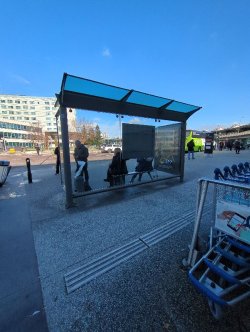 Difficult to talk about bus shelters without mentioning their inventor. In 1964, Jean-Claude Decaux had an idea that would revolutionize urban furniture and outdoor advertising. His concept? Offering municipalities free bus shelters funded by advertisers. The project was first tested in Lyon, with the blessing of mayor Louis Pradel, who authorized the installation of the first advertising panel at the Guillotière bridge.
The beginning is not easy. Advertisers remain skeptical about these small-sized posters (2 m²), far from the large highway billboards to which they are accustomed. However, the concept takes off in the early 1970s with the Abribus Standard, an iconic model that will multiply across all of France. Paris adopts JCDecaux abribus in 1972. Grenoble, Angers, Poitiers quickly follow.
Over the decades, urban furniture has continuously evolved. The MUPIs (urban furniture for information) appeared in the 1970s, followed by automatic maintenance public restrooms in 1980, then the Morris columns, free-service bicycles (Vélib' in Paris in 2007), and finally digital screens. The simple bus shelter from 1964 has generated a complete ecosystem of urban services.
In parallel, other players have emerged on the market. Clear Channel Outdoor (now Cityz Media in France) became JCDecaux's main competitor, notably winning the Rennes contract in 1998. Specialized manufacturers such as Metalco, Francioli, Polymobyl, or Procity have established themselves in the production segment, while the advertising giants ensure operation and maintenance under long-term contracts (on average 10 to 15 years).
Why the bus shelter remains a future challenge?
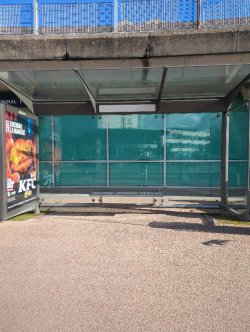 One might think that with carpooling, electric scooters, and telecommuting, the bus shelter would be on the way out. Quite the opposite. Sustainable mobility policies are putting public transport back at the center of the game, and every new bus, tram, or BHNS (high-level service bus) stop requires an appropriate passenger shelter. The 2019 Mobility Orientation Act (LOM) has strengthened the role of mobility organizing authorities, which now cover the entire French territory. Direct consequence: even rural communes, long forgotten, are now encouraged to equip their stops with proper passenger shelters.
By the way, the climate context also favors bus shelters. Heatwave episodes, increasingly frequent, make outdoor waiting areas particularly uncomfortable in the summer. A well-designed bus shelter, with a roof providing shade and natural ventilation, protects just as well from heat as from rain. Some local authorities are beginning to incorporate cooling islands into the design of their bus stops: green roofs, misting systems, and materials with low thermal inertia. Tomorrow's urban furniture will inevitably be more resilient in the face of climate change.
The abribus around the world: some notable examples
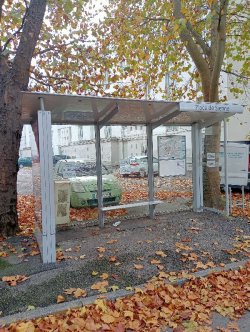 France is not the only country innovating in the field of passenger shelters, far from it. In Dubai, some bus shelters are fully air-conditioned to protect users from extreme heat. In Seoul, South Korea, smart shelters equipped with sensors measure air quality in real time and display it on screens. In Singapore, JCDecaux has installed bus shelters on the famous Orchard Road, in a country that previously banned all advertising in public spaces. London has become JCDecaux's global showcase with the world's largest network of digital bus shelters.
These international examples show that the bus shelter is a testing ground for tomorrow's urban technologies: solar energy, air quality, real-time information, universal accessibility. Innovations tested in major global metropolitan areas eventually spread to medium-sized cities and rural areas. This is the classic dynamic of urban furniture.
Regulations and standards for bus shelters: what the law says
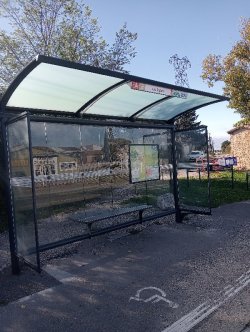 The installation and operation of a traveler shelter are not at the discretion of a local official. Several legislative and regulatory texts strictly govern this activity, whether in terms of accessibility, safety, urban planning, or outdoor advertising. An overview of the main obligations.
What are the accessibility standards for bus shelters?
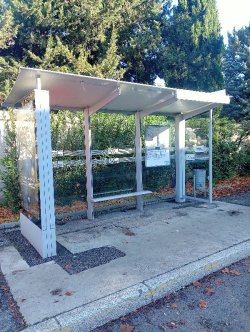 It is the most regulated area. The Act No. 2005-102 of February 11, 2005 on equal rights and opportunities, participation and citizenship of people with disabilities sets a clear objective: making all transport networks accessible. Two implementing decrees specify the technical requirements:
- The Decree No. 2006-1657 of December 21, 2006 relating to the technical characteristics of public space developments for accessibility to people with disabilities.
- The Decree No. 2006-1658 of December 21, 2006 relating to the accessibility of public transport for people with disabilities.
In practice, here is what these texts impose for a bus shelter:
- The height under the eaves must be a minimum of 2.20 meters.
- A rotation area of 1.50 meter in diameter must be kept clear for wheelchairs.
- Access must be level, without steps or obstacles that could hinder the movement of people with reduced mobility (PMR).
- Contrasting 10 cm high bands must be applied between 1.20 and 1.40 meters in height on the glazed walls, so that the shelter is detectable by visually impaired people.
- No advertising should be displayed on the bus's arrival side.
- The installation must respect a minimum distance of 1.40 meters between the shelter and the edge of the platform (reduced to 0.90 meters in the presence of a pedestrian passage behind the shelter).
Concerning the platform itself, a contrasting 50 cm wide strip must be installed along the entire length of the platform, 50 cm from the edge, to indicate the raised edge to blind and visually impaired persons. Another 60 cm wide strip, placed between the furnishings and the front door of the bus, serves as a reference point for visually impaired persons and as a stopping point for the driver.
The decree of April 20, 2017 (article 2) complements these provisions by specifying the requirements for external pathways: minimum width, allowed slopes and cross slopes, slip-resistant and contrasting floor covering.
The NF P98-352 standard and the guiding bands
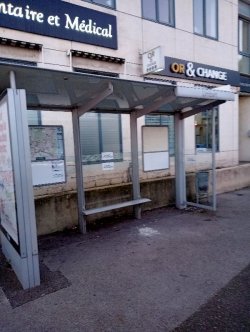 In the absence of an audible sound signal at the stopping point, the regulation provides for the installation of an interception strip device in accordance with the norm NF P98-352. This system guides blind or visually impaired persons from the pedestrian path to the front door of the bus. It should be noted that these guiding strips require significant concentration to be followed. For this reason, the regulation recommends using them as a last resort and sparingly, prioritizing sound signals whenever technically possible.
Outdoor advertising regulation
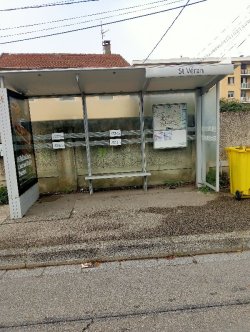 Advertising on bus shelters is regulated by the Environmental Code (articles L581-1 and following), supplemented by the local advertising regulation (RLP) adopted by each commune or intercommunality. These texts set the conditions for installation, authorized formats, exclusion zones (areas around historical monuments, classified sites), and rules for nighttime shutdown.
Since the Grenelle 2 law of 2010, the trend has been toward strengthening constraints on outdoor advertising, notably the obligation to turn off illuminated advertisements between 1 a.m. and 6 a.m. (except for exceptions). Advertising bus shelters are subject to these provisions, even though exemptions exist for shelters equipped with integrated public lighting.
Fire safety and mechanical strength standards
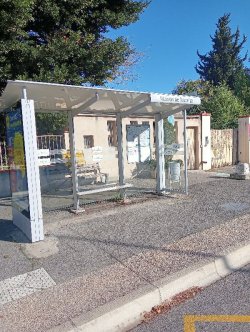 The materials used for the manufacture of bus shelters must meet strict requirements regarding fire behavior. The most common classification is the M1 rating (non-flammable materials), required for the walls and roof of shelters installed in public spaces. French manufacturers such as Francioli systematically mention this certification in their technical data sheets.
The mechanical strength of the shelter (against wind, snow, and impacts) must comply with the Eurocodes, particularly Eurocode 1 (actions on structures) for wind and snow load resistance, and the European safety standards for glass (EN 12150 for safety tempered glass). The structural design naturally depends on the geographic area: a shelter located on the coast in Brittany will not experience the same stresses as one installed in the city center of Lyon.
Smoking ban at bus shelters since 2025
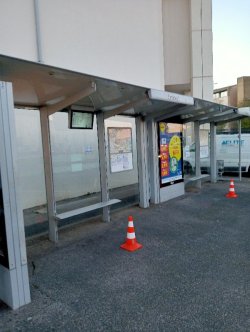 Recent and notable measure: since July 1, 2025, smoking is prohibited at bus shelters, bus stops, and throughout all covered waiting areas in France. This provision, which complements existing rules regarding outdoor public places, aims to improve air quality in particularly frequented transit areas. It applies to both conventional cigarettes and vaping devices.
Public procurement obligations
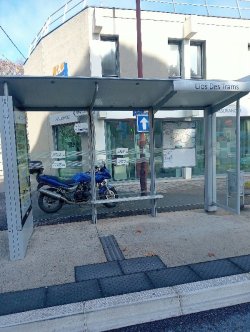 For territorial communities, the acquisition and maintenance of passenger shelters generally go through a public tender, subject to the public procurement code. Procedures vary depending on the amount: adapted procedure tender (MAPA) below European thresholds, open tender above. Advertising urban furniture contracts, which combine supply, installation and operation, often fall under the public service delegation (DSP) or the agreement for the occupation of public property.
The maintenance and cleaning of bus shelters markets are generally framework agreements with purchase orders, lasting from one to four years and renewable. The annual amount varies considerably: from a few thousand euros for a small rural commune to several hundred thousand euros for a metropolitan area. As an example, Brest Métropole recently launched a tender (reference 2026-0016) concerning the maintenance and installation/removal of non-advertising bus shelters and bike facilities on its territory.
Summary table of main standards and regulations
| Text / Standard | Subject | Main Requirement |
|---|---|---|
| Law No. 2005-102 of 11/02/2005 | Accessibility disability | Accessibility of all transportation |
| Decree No. 2006-1657 | Public space development | Technical Features PMR |
| Decree No. 2006-1658 | Accessibility public transport | Access for vehicles for people with reduced mobility |
| Order of 20/04/2017 | External pathways | Width, slopes, floor covering |
| NF P98-352 | Guiding rails | Guidance for visually impaired individuals |
| Environment Code (L581-1) | Outdoor Advertising | Formats, zones, night shutdown |
| Class M1 | Fire Response | Non-flammable materials |
| EN 12150 | Safety Tempered Glass | Shock resistance and fragmentation |
| Eurocodes 1 | Actions on Structures | Wind and snow resistance |
| Smoking ban (01/07/2025) | Public Health | No smoking at covered stops |
Who are the main players in the bus shelter industry in France?
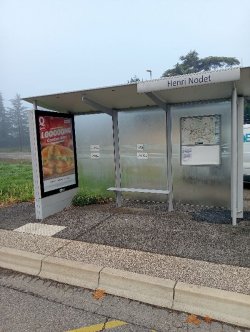 The passenger shelter market in France is structured around two types of players: the advertising operators, who provide, install, and maintain the shelters under long-term contracts with local authorities, and the urban furniture manufacturers, who design and produce the structures on behalf of the operators or directly for the local authorities. Here is an overview of the ten main players in the sector.
Top 10 of Bus Shelter Actors and Providers in France
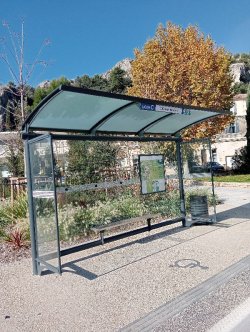 1. JCDecaux – The undisputed giant. Inventor of the public advertising shelter concept in 1964, JCDecaux is today the world leader in outdoor communication and urban furniture. In France, the group employs about 3,500 people and manages tens of thousands of passenger shelters. JCDecaux itself ensures the entire range of its maintenance and repair services with integrated and rigorously trained teams. The group collaborates with renowned designers (Norman Foster, Philippe Starck, Marc Aurel) for its urban furniture ranges.
2. Cityz Media (ex-Clear Channel France) – Main competitor of JCDecaux on the French market, Cityz Media (formerly Clear Channel Outdoor France) offers complete urban advertising furniture solutions including the supply, installation, and maintenance of bus shelters. The company holds contracts in many French cities and has a structured maintenance network.
3. Metalco / Agora Urban Furniture – A subsidiary of the French group Agora Makers based in Fabrègues (near Montpellier), Metalco is the leading European manufacturer of urban design furniture. Founded in 1984, the company offers a wide range of traveler shelters made of steel, aluminum, concrete, wood, or Corten steel. Among its references: the tramway shelters in Casablanca, the BHNS shelters in Sophia Antipolis, and the Corten steel canopies of the Montpellier tramway.
4. Francioli – A French reference in outdoor design and urban furniture, Francioli specializes in concrete and metal traveler shelters. Its models, manufactured in France, comply with current standards and are classified M1 for fire resistance. The company offers different designs: solid or glazed walls, with or without side panels, with or without slab, in polished granite or wood imitation.
5. Polymobyl – Founded in 1987 in Lyon, Polymobyl has specialized in the design, manufacturing, and installation of custom shelters and urban furniture. The company positions itself as a true design agency, with a wide range of product lines (PUR, NUT, TUB, 25° & Cie) and the ability to create unique models for local authorities.
6. Procity – French designer and manufacturer of urban furniture since 1983, Procity supplies municipalities and companies with bus shelters, benches, bins, and other urban furniture elements. The company relies on the quality of French manufacturing and the diversity of its range to meet public tenders.
7. Urbanéo – Specialist in the maintenance and cleaning of urban furniture, Urbanéo supports local authorities, mobility organizing authorities (AOM) and transport network operators in keeping their passenger shelters, stop poles, bike shelters and BHNS stations clean. The company stands out for its eco-friendly approach (eco-labeled products, optimized routes, circular economy).
8. Nova Clean – Expert in cleaning, maintenance, and upkeep of urban furniture, Nova Clean operates on a wide range of equipment: bus shelters, public benches, trash cans, and signage panels. The company uses advanced techniques (high-pressure cleaning, eco-friendly solvents, anti-graffiti coatings) and works with many local communities.
9. DMC Direct – A specialist in urban furniture, DMC Direct positions itself both as a supplier and as an advisor to local authorities for the selection and installation of their traveler shelters. The company regularly publishes practical guides on accessibility standards and best practices for installation.
10. Espace Propreté – As a regional actor in the Grand Ouest, Espace Propreté specializes in the maintenance of bus shelters and the display of institutional information campaigns. The company operates throughout the Sarthe department and has established trusted partnerships with many local communities. Its services include high-pressure washing, graffiti removal, replacement of glazing and sealing joints.
Why is the market dominated by a few large groups?
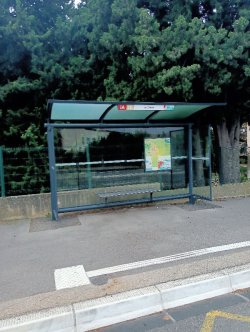 The economic model of the advertising shelter explains much of this concentration. Only players capable of offering a comprehensive package (design, manufacturing, installation, advertising operation, maintenance) over a period of 10 to 15 years have the financial capacity to respond to tenders from major metropolitan areas. JCDecaux and Cityz Media (ex-Clear Channel) possess this scale.
Nevertheless, the market is not frozen. Independent manufacturers such as Metalco, Polymobyl, or Procity are occupying the niche of non-advertising shelters, while specialized service providers such as Urbanéo or Nova Clean are capturing the maintenance and cleaning markets. According to the 2024 Xerfi study, emerging players such as Agora Makers, Bega-Aubrilam, or SPL are gradually gaining visibility on this market estimated at nearly one billion euros in France.
How to choose a maintenance provider for bus shelters?
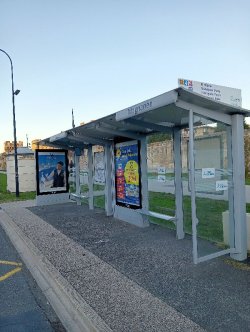 The maintenance of traveler shelters is not just a occasional high-pressure water cleaning. It is a recurring expense position that affects both user safety, the image of the community, and the lifespan of the furniture. Choosing the right service provider is therefore a strategic decision.
What are the essential criteria for selecting a service provider?
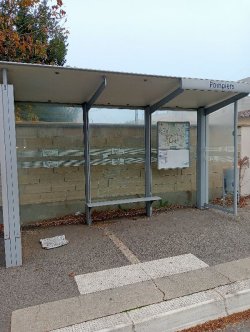 Before launching a tender, the community or the mobility organizing authority must clearly define its needs. What types of intervention are expected? Routine cleaning, replacement of broken glass, graffiti removal, repair of lighting, updating of displays, dismantling and reassembly during roadworks... The list can be long, and each service provider is not necessarily qualified for all tasks.
The experience and references constitute the first selection criterion. A service provider who has been maintaining the shelters of a neighboring metropolitan area for five or ten years presents an unmatched guarantee of reliability. Do not hesitate to contact the client municipalities to gather concrete feedback.
Technical skills are just as critical. Maintaining a mobile awning involves a variety of expertise: glazing (cutting and installing tempered glass or polycarbonate), locksmithing (repairing fastenings, replacing hinges), electricity (lighting, possibly information panels), specialized cleaning (products suitable for polycarbonate, non-aggressive graffiti removal techniques). Make sure the company has the necessary qualifications, particularly for work on electrical circuits.
Compliance with standards is non-negotiable. The service provider must be familiar with current regulations (accessibility for people with reduced mobility, safety, advertising) and be able to report any non-compliance observed during its interventions. This "regulatory oversight" aspect is a real asset.
The reactivity is a key factor, often underestimated in specifications. A broken glazing on a Friday evening poses a risk of injury to weekend users. The service provider must be able to intervene within short timeframes (24 to 48 hours for emergencies) and have an adequate stock of replacement parts for the most frequently damaged components.
How to structure your tender?
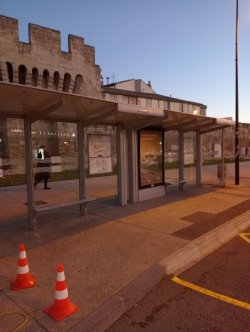 A well-structured tender makes all the difference. Here are the best practices observed in the field:
- Accurately inventory the fleet : number of shelters, models, materials, general condition, GPS location. Without this inventory, candidates cannot properly price their offers.
- Distinguish between scheduled services and one-time interventions : regular cleaning (monthly, quarterly) is included in the package, whereas repairs resulting from vandalism or accidents are billed via purchase orders.
- Define quality indicators : shelter availability rate, average response time, number of user complaints, resolution rate on first visit…
- Require regular reporting : intervention reports, before/after photographs, alerts on recurring damages.
- Incorporate environmental clauses : eco-labeled cleaning products, waste management, optimizing travel to reduce carbon footprint.
The question of outsourcing vs. in-house management
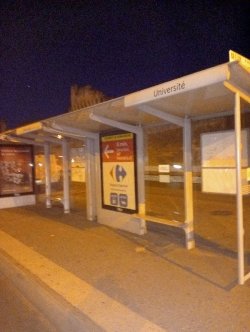 Some local authorities choose to manage the maintenance of their bus shelters internally, through their technical services or their own agencies. This choice offers the advantage of direct control, but requires having the necessary skills, equipment, and availability. However, municipal technical services are often called upon to handle multiple fronts (road maintenance, green spaces, public buildings), and the maintenance of urban furniture sometimes takes a back seat.
Outsourcing, on the other hand, allows this task to be entrusted to specialists who have the appropriate tools, products, and vehicles. Companies such as Urbanéo or Nova Clean have developed refined intervention methodologies, with optimized routes and digital tracking of services. The main risk lies in contract monitoring: without regular oversight from the community, service quality may decline.
By the way, that's precisely where a digital tool for tracking interventions gains its full meaning. And that's where an application like KARTES.
The daily maintenance of bus shelters: what no one sees
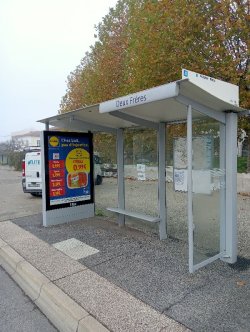 When a bus shelter is clean, well-lit, and in good condition, no one really notices. That's normal. On the other hand, as soon as a window is broken, a tag appears, or a light bulb burns out, everyone notices. Maintaining urban furniture is a thankless but essential task, usually carried out during off-peak hours (early in the morning or late in the evening) to avoid inconveniencing users.
The different routine maintenance operations
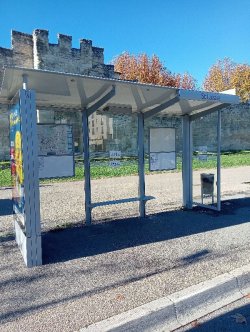 The cleaning of glass surfaces is the most frequent intervention. The windows of a bus shelter get dirty quickly: atmospheric pollution, vehicle splashes, finger marks, stickers, stuck-on chewing gum, bird droppings... Cleaning is generally done with demineralized water and a scraper, sometimes with a high-pressure washer for stubborn dirt. Specialized service providers like Urbanéo prefer eco-labeled products to minimize environmental impact.
The removal is a more technical operation. Depending on the type of graffiti (aerosol paint, permanent marker, engraving, stickers), the techniques vary: specific chemical solvents, high-pressure stripping, hydroblasting, or even sandblasting for the most resistant surfaces. A sacrificial anti-graffiti treatment can be applied after cleaning: it forms a protective film that facilitates the removal of subsequent graffiti. This coating must be renewed after each removal, which represents a recurring cost but significantly extends the lifespan of the surfaces.
The replacement of broken glazing is the most urgent operation, for obvious safety reasons. A broken glazing can injure users, particularly children. Service providers must have a permanent stock of tempered glass or standard-sized polycarbonate sheets, and be able to intervene within 24 to 48 hours. Until replacement, the broken glazing must be secured (removal of shards, installation of temporary signage).
The lighting maintenance includes replacing defective fluorescent tubes or LED strips, checking electrical connections, cleaning diffusers, and restoring technical cabinets. With the widespread adoption of LED lighting, the replacement frequency has significantly decreased (typical lifespan of 50,000 hours for an LED, compared to 10,000 hours for a fluorescent tube).
Finally, the maintenance of the metal structure (posts, beams, roof) requires less frequent but equally important interventions: repainting of chipped areas to prevent corrosion, tightening of fastenings, checking the stability on the ground, replacement of sealing joints. On galvanized steel models, the lifespan of the structure without major intervention can exceed twenty years.
Preventive maintenance vs corrective maintenance
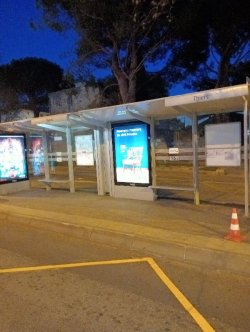 The distinction between these two approaches is fundamental. Corrective maintenance involves intervening after a problem has occurred: broken window, graffiti, faulty lighting. It is reactive, often urgent, and generally more costly because it mobilizes resources in an emergency. Preventive maintenance, on the other hand, involves planning regular interventions to anticipate problems: scheduled cleaning, systematic lighting checks, visual inspection of the structure, and preventive replacement of worn-out seals.
In practice, a good maintenance program combines both approaches. The tool KARTES facilitates this combination by allowing managers to plan preventive rounds while managing corrective interventions as they arise. Analysis of the history of interventions (which shelters are most often damaged? how frequently? what type of damage?) allows for adjusting the preventive schedule to focus efforts where they are most needed.
Specific Challenges by Season
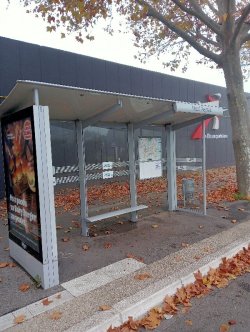 The maintenance of bus shelters is not a linear activity. It follows a well-defined seasonal rhythm. In autumn and winter, the main concerns are the dead leaves that accumulate in the roof gutters and block the water drains, the risk of black ice on the floor tiles (a poorly drained shelter can become a real ice rink), and condensation on the glass walls that reduces visibility and promotes the growth of mold.
In spring, it's the season of allergies and pollen. The glass walls become coated with a yellowish film that requires more frequent cleaning. It's also the ideal time for a general inspection of the structure after the harshness of winter: are there cracks in the joints? loosened fastenings due to freeze/thaw cycles? water infiltration?
In summer, the main challenge is the heat. Dark metal surfaces increase in temperature and can become scorching to the touch. Metal benches exposed to the sun become unusable during the day. In terms of maintenance, summer is also the season of incivilities (prolonged evenings, outdoor alcohol consumption) which result in more waste, graffiti, and vandalism.
An experienced service provider anticipates these seasonal variations and adjusts their intervention program accordingly. In fact, this is one of the criteria a community should check when selecting their service provider: does it offer a differentiated maintenance schedule according to the seasons?
Comment KARTES improve the maintenance of shelters?
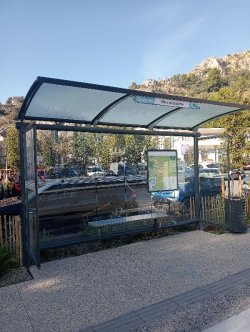 In a context where local authorities must manage an ever-expanding urban furniture park, with constrained budgets and increasing requirements in terms of service quality, digital tools for managing interventions become essential. KARTES, mobile application for tracking field interventions, precisely meets this need by offering a solution adapted to the maintenance of shelters and urban furniture in general.
What is KARTES concretely?
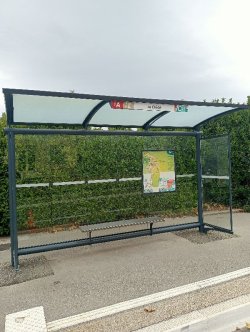 KARTES is a SaaS (Software as a Service) application for managing field interventions, designed for local authorities, mobility organizing authorities, and maintenance service providers. The application allows for centralizing all data related to the traveler shelter fleet (location, characteristics, intervention history, status), planning maintenance rounds, tracking in real time the progress of work, and generating detailed activity reports.
The tool works on mobile devices (smartphone or tablet) for field technicians, and on a web interface for managers and clients. Thanks to geolocation and integrated mapping, each bus shelter is referenced with its exact location, its technical characteristics, and its complete history of interventions.
In what KARTES does it help reduce maintenance costs?
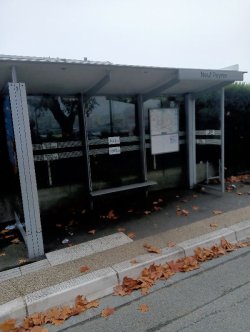 Cost optimization involves several levers, and KARTES all actions. First lever: intelligent route planning. Instead of sending a technician on an improvised trip, the application allows routes to be organized based on the location of shelters, the urgency of interventions, and the availability of technicians. Result: fewer kilometers traveled, less time lost in travel, more interventions carried out per day.
Second lever: the centralization of information. No more paper work orders that get lost, phone calls to check if a specific shelter has been cleaned, Excel spreadsheets that are never up to date. Everything is in the application: before/after photos, automatic timestamping, geolocation of each intervention, technician comments. The community manager or the service provider's team leader has a real-time overall view.
Third lever: preventive maintenance. By analyzing the history of interventions on each shelter (frequency of broken glass, recurrence of graffiti, wear of benches), KARTES enables anticipating problems and planning preventive actions rather than corrective ones. It is known that preventive maintenance costs, on average, three to five times less than emergency repairs.
The perspective of the resident and the user
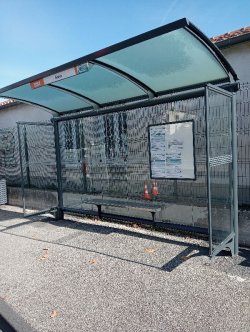 For residents and public transport users, a well-maintained bus shelter makes all the difference. It is a marker of quality of life. A clean shelter, with intact windows, functional lighting, and up-to-date displays, gives the impression that the community cares about its inhabitants. On the contrary, a deteriorated shelter, tagged, with broken windows and waste on the ground, generates a sense of insecurity and neglect.
KARTES contributes to improving this perception by reducing response times. When a user reports (or when a technician notices) a broken window, the information is immediately uploaded into the application. The manager can assign the repair with just a few clicks, track its progress, and verify its proper execution. The return to normal is faster, which results in increased user satisfaction.
For direct neighbors, those who live near a bus stop, the regular maintenance of bus shelters is also a matter of quality of life. A poorly maintained shelter attracts incivilities (littering, alcohol consumption, noise at night). By maintaining a high level of cleanliness through regular and well-planned interventions, the application helps reduce these nuisances.
The community's perspective
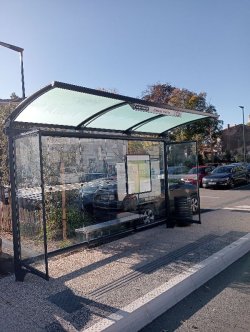 For elected officials and technical service directors, KARTES brings visibility and traceability. How many interventions have been carried out this month? Which shelters are most often damaged? Does the service provider meet its contractual commitments? All these questions are answered by the application with numerical and documented responses.
This traceability is particularly valuable in the context of public tenders. When renewing a maintenance contract, the local authority has a complete and objective history to assess the performance of the outgoing service provider and define the requirements for the new specification document. The data collected by KARTES (number of interventions, average delays, costs by type of operation, timestamped photographs) constitute an uncontested factual basis.
Automated report generation also facilitates communication with elected officials and citizens. For example, an annual report on the condition of urban furniture can be presented at a city council meeting, with visual indicators (heat maps of damages, evolution charts) that speak louder than long speeches.
The Maintainer's Perspective
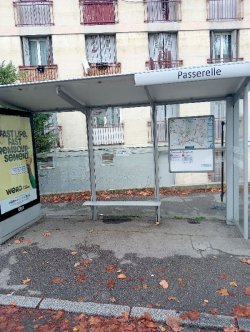 For the maintenance provider, KARTES is an operational management tool. Technicians receive their mission orders directly on their smartphone, along with all necessary information: precise location of the bus stop (GPS coordinates and map display), type of intervention to be carried out, history of previous interventions, required spare parts.
At the end of each intervention, the technician fills out his report directly in the application: description of the work performed, before/after photos, duration of the intervention, materials used. This real-time data entry prevents forgetfulness and transcription errors, which are common with paper-based processes.
For the team leader or operations director, KARTES provides a real-time dashboard of its technicians' activities: who is where, which interventions are ongoing, which are completed, and which are delayed. This visibility allows for quick responses in case of unexpected situations (sick technician, unplanned emergency, tour delay).
In practice, the use of KARTES can represent a productivity gain of 15 to 25% on maintenance rounds, thanks to the optimization of movements and the reduction of administrative time. For a provider managing several hundred shelters on a territory, it is a significant competitive advantage.
The contribution of the photo and geolocation
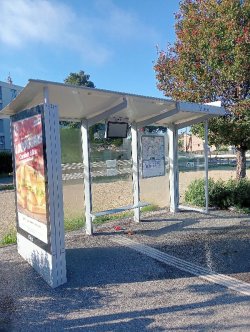 Two features of KARTES deserve to be given careful attention. The geolocated and timestamped photography taken during each intervention constitutes irrefutable proof of the work performed. No more disputes between the service provider who claims to have cleaned the shelter and the community that observes the opposite. The photo, along with its metadata (date, time, GPS coordinates), settles the debate.
The mapping integrated (based on Mapbox GL JS in the case of KARTES) allows you to view the entire bus shelter fleet on an interactive map. At a glance, you can identify well-maintained areas and those requiring enhanced attention. This geographic view is also very useful for route planning: the manager draws a logical route taking into account distances and traffic axes.
KARTES and the management of graffiti on bus shelters
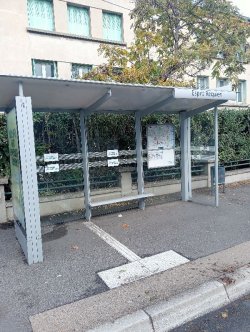 De-graffiting is one of the most frequent interventions on passenger shelters, and also one of the most costly if not addressed quickly. KARTES integrates specific features for graffiti management: reporting with photos, categorization of graffiti types (simple tag, mural, stickers), and tracking of cleaning progress. The application can even rely on artificial intelligence to analyze photos and automatically identify the nature of the damage, which speeds up sorting and prioritizing interventions.
By centralizing data on graffiti (location, frequency, type, recurring authors), KARTES also allows for reflection on prevention policies: are certain shelters systematically targeted? Should anti-graffiti treatment be considered for these models? Does the installation of video surveillance cameras nearby have a deterrent effect? All these questions are addressed with concrete answers by the data collected through the application.
Integration with existing systems
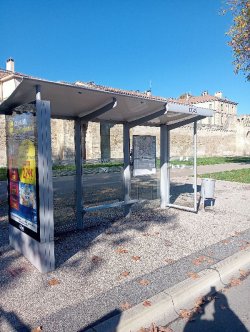 One of the advantages of KARTES, it's its ability to integrate into the digital ecosystem of the community. The application can communicate with asset management software (GIS, GMAO), citizen reporting platforms and transport network information systems. This interoperability avoids duplicate data entry, reduces the risk of errors, and provides a consolidated view of the condition of urban infrastructure.
For example, when a user reports a damaged bus shelter via their commune's citizen application, the information can be automatically transferred to KARTES, which generates an intervention order and assigns it to the nearest available technician. The technician receives the notification on his smartphone, intervenes, documents his intervention (photos, comments), and the initial report is automatically closed with a follow-up to the user. Closed loop, without unnecessary human intervention.
A tool suitable for all park sizes
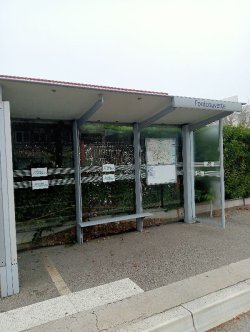 Contrary to what one might believe, KARTES is not limited to large metropolitan areas that manage thousands of shelters. The application is designed to adapt to all scales: from the small town that has three or four traveler shelters to the metropolitan area that manages several hundred. The SaaS model (monthly subscription with no commitment) allows you to start small and gradually increase capacity.
For intermunicipal communities or mixed transport consortia, KARTES also offers the possibility to pool the management of urban furniture across an expanded territory. Each commune retains visibility over its own shelters, while the intercommunality has an overall view to coordinate interventions and optimize maintenance circuits across the territory.
Field Experience Feedbacks
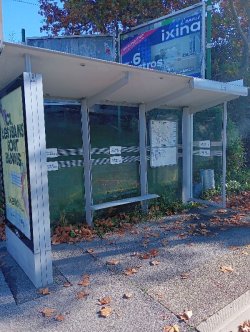 Communities that have adopted a digital tool for tracking interventions like KARTES generally observe several measurable improvements from the very first months. The reduction of response times is the most immediate benefit: reports are handled faster because they are centralized and timestamped. Traceability of interventions reduces disputes with service providers and allows for objective documentation of service quality. Route optimization generates cost savings on travel, which translates into a higher number of interventions performed for the same budget.
Some maintainers also report a positive effect on the technicians' motivation. When a field operator can see the impact of his work (before/after photos, statistics of completed interventions, positive feedback from the community), he is more committed than when he fills out paper forms that disappear into a file cabinet. The digital tool highlights the value of fieldwork.
10 Q&A on shelters
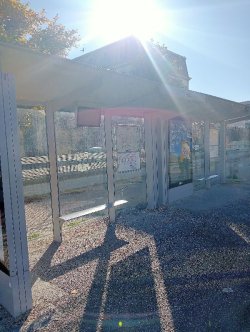 Here are the answers to the most frequently asked questions by users, neighbors, and professionals in the sector regarding traveler shelters.
1. What is the difference between a bus shelter and a small café?
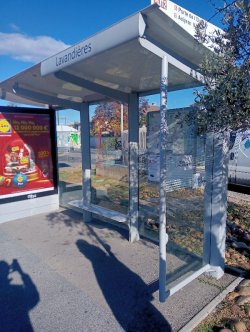 In theory, none. « Aubette » is the historical French term used to refer to a waiting shelter for public transport passengers. « Abribus » is a trademark registered by JCDecaux, which has become a common noun in everyday language (like Frigidaire or Klaxon). In official documents and specifications, the term « abri voyageurs » is generally used to avoid mentioning a commercial brand.
2. Who is responsible for the maintenance of bus shelters in a municipality?
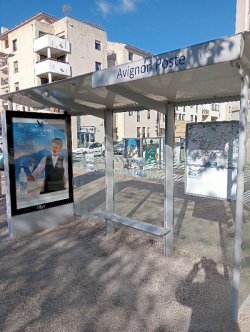 Responsibility depends on the operating regime. For advertising shelters, it is generally the operator (JCDecaux, Cityz Media) that ensures maintenance as part of its contract with the local authority. For non-advertising shelters, maintenance is the responsibility of the local authority or the mobility organizing authority (AOM), which can carry it out internally through its technical services or outsource it to a specialized service provider.
3. Which materials are most resistant to vandalism?
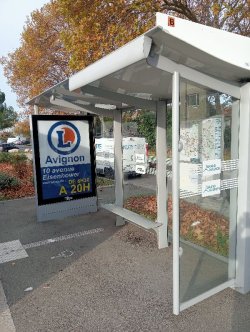 The concrete (polished granite with anti-graffiti treatment) offers the best overall resistance to deterioration. For glazing, tempered safety glass is more resistant to impacts than polycarbonate, but the latter breaks without sharp splinters, which limits the risk of injury. Steel structures, whether galvanized or painted, resist mechanical impacts well, while Corten steel has the advantage of not requiring anti-corrosion treatment, its oxidation patina serving as a natural protective layer.
4. What is the average lifespan of a bus shelter?
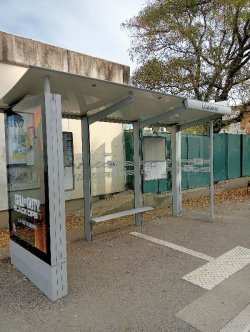 A well-maintained passenger shelter can last between 15 and 25 years, or even longer for concrete models. The actual lifespan depends on the quality of materials, exposure to weather conditions, the level of vandalism, and, above all, the regularity of maintenance. Public advertising urban furniture contracts are generally concluded for periods of 10 to 15 years, with the furniture being renewed at each renewal.
5. Must a bus shelter necessarily include a bench?
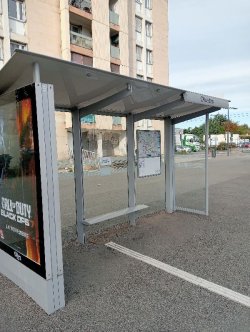 No, there is no legal requirement. That said, the presence of seating (integrated bench, individual seat, or ischial support bar) is strongly recommended, especially on routes frequented by elderly or mobility-impaired passengers. Some local authorities deliberately choose models without benches for school stops, where waiting times are short and the passengers are young. In practice, users appreciate the ability to sit, particularly when waiting times exceed five to ten minutes.
6. Can a bus shelter be installed anywhere on a sidewalk?
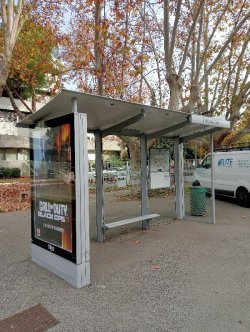 No. The installation is subject to specific regulatory constraints. The sidewalk must maintain a free passage width of at least 1.40 meters (and ideally 1.80 meters in high-traffic areas). The shelter must be positioned at the platform head, at the level of the bus front door, and must respect the minimum distances from the curb. On narrow sidewalks (less than 3 meters), installation of a standard bus shelter is often impossible; in such cases, a single stop pole or a wall canopy is preferred.
7. How to report a damaged bus shelter in my commune?
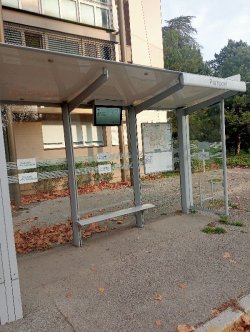 Most local authorities have a complaint service (online form, citizen application, dedicated phone number). For advertising bus shelters managed by JCDecaux or Cityz Media, complaints can also be made directly to the operator. Some shelters even display a reference number and a maintenance contact on a small panel visible inside. The use of digital tools like KARTES facilitates the handling of these reports by centralizing requests and ensuring end-to-end tracking.
8. Are the bus shelters lit at night?
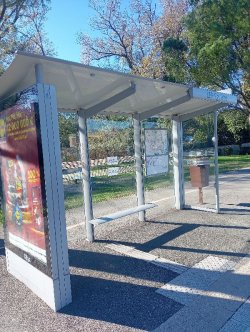 The majority of bus shelters in urban areas are illuminated, either by internal lighting (backlighting of advertising panels, fluorescent tubes, or LED strips integrated into the structure), or by surrounding public lighting. This lighting contributes to the sense of security for users during the evening. There is no standard specifying a precise number of lux in a passenger shelter, but professional recommendations suggest a sufficient level of illumination to read displayed information and to be visible from the public road.
9. Are there any eco-friendly or solar-powered bus shelters?
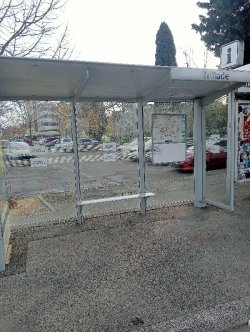 Yes, and the trend is accelerating. Several manufacturers now offer travel shelters equipped with photovoltaic panels integrated into the roof, which power the LED lighting and information screens without connecting to the electrical grid. These energy-autonomous models are particularly suitable for rural or peri-urban areas where electrical connection would be costly. Some prototypes go even further by incorporating green roofs, rainwater collection systems, or even (still experimental) potable water generators using ambient humidity.
10. How can a community fund its bus shelters?
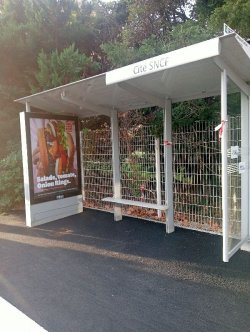 Several funding models coexist. The most common model is the public advertising urban furniture contract, in which the operator (JCDecaux, Cityz Media) finances the installation and maintenance in exchange for the right to display advertising. The local authority pays nothing (or very little) and retains a portion of the surfaces for its own communication. For non-advertising shelters, funding comes from the local or intercommunal budget, with the possibility of applying for grants (State, Region, Department, European funds) within the framework of accessibility or sustainable mobility projects. Public service delegation contracts (DSP) for transport networks sometimes include the stop furniture within the delegate's scope.
The Trends Shaping Tomorrow's Shelter
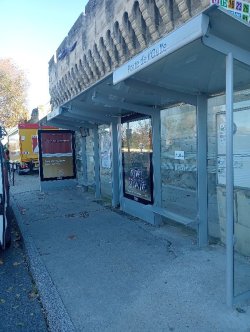 The world of urban furniture never sleeps, and the passenger shelter is no exception to the underlying trends transforming our cities. Several evolutions deserve particular attention, as they will profoundly change the way municipalities design, fund, and maintain their bus shelters in the years to come.
The greening of passenger shelters
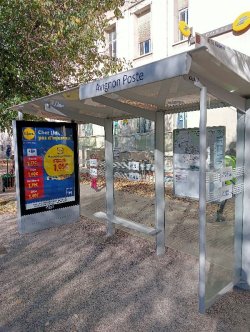 It is the most visible trend, and perhaps the most promising. Several cities in France and Europe are experimenting with vegetated bus shelters, whose roofs are covered with perennial plants, sedum, or even bee-friendly flowers. The objective is twofold: to combat urban heat islands (vegetation lowers the ambient temperature by 2 to 5 °C in the immediate vicinity) and to promote biodiversity by creating micro-habitats for pollinating insects.
In the Netherlands, the city of Utrecht has transformed more than 300 bus shelters into "bee stops" (bijenhaltestelle), with sedum-covered roofs that serve as a refuge for pollinators. In France, several local authorities have followed suit: Lille, Bordeaux, and Nantes are experimenting with similar models. The additional cost is moderate (a few hundred euros per shelter for vegetation), but maintenance is more complex because watering, weeding, and replacing dead plants must be ensured. Digital monitoring via a tool like KARTES can prove valuable for scheduling these specific interventions and ensuring that green roofs remain in good condition.
The abribus as a hub for urban services
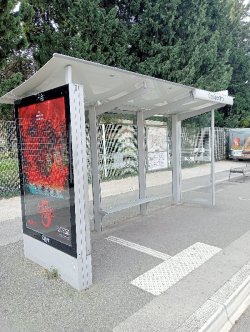 Tomorrow's passenger shelter will not be just a shelter. It will become a genuine service hub integrating multiple functions: electric bike and scooter charging point, free Wi-Fi kiosk, air quality sensor, automatic defibrillator, water fountain, book exchange box... This evolution is already underway in several major cities, and it raises new questions in terms of maintenance: how to maintain a shelter that integrates a dozen different functions? What skills are required for the maintenance technician? How to prioritize repairs when the information screen goes down at the same time as the charging station?
That's where intervention management tools become indispensable. A multifunctional bus shelter generates more maintenance interventions than a simple standard shelter, but these interventions are also more diverse and complex. The ability to categorize breakdowns, assign the right technician (an electrician for the socket, a glazier for the panel, a gardener for the green roof), and track the status of each component separately becomes critical.
Data in Service of Mobility
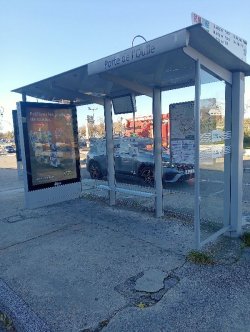 Connected shelters generate data that are of interest far beyond maintenance. The passenger counters integrated into some models allow knowing the number of passengers at each stop, hour by hour. These data, combined with ticketing data and bus geolocation data, provide a detailed view of transportation demand across the territory. Mobility organizing authorities can then adjust frequencies, optimize routes, and even decide on the location of future stops based on objective data rather than estimates.
This data exploitation obviously raises questions in terms of privacy protection. The occupancy sensors must comply with the GDPR (General Data Protection Regulation), which means they cannot individually identify users. The technologies used (infrared counting, anonymized video analysis) are designed to provide aggregated data without individual traceability. That said, the subject remains sensitive and must be handled with transparency towards citizens.
Circular economy applied to urban furniture
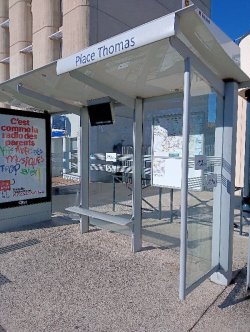 The AGEC Act (Anti-Waste for a Circular Economy) of 2020 has direct repercussions on the urban furniture market. Manufacturers and local authorities are encouraged to prioritize recycled and recyclable materials, to promote the reuse of components, and to integrate a sustainability logic into the design of shelters. Concretely, this translates into the rise of structures made from recycled steel, polycarbonate glazing that can be recycled, and the development of end-of-life shelter refurbishment offers rather than systematic replacement.
Some service providers now offer « retrofit » of bus shelters: instead of dismantling and discarding an aging shelter, it is renovated by replacing only the worn components (glass, roof, seating) while keeping the original metal structure. This approach reduces costs and environmental impact, while allowing for an aesthetic and functional modernization of the shelter. Monitoring the condition of the furniture via a tool like KARTES facilitates the identification of candidate shelters for retrofitting: those whose structure is still sound but whose peripheral components are nearing the end of their life.
Conclusion: the abribus, much more than just a simple roof
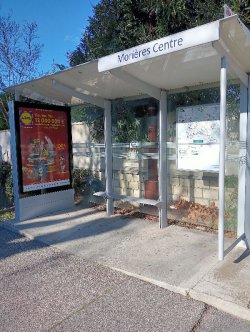 At the end of this overview, one thing is clear: the bus shelter is not the mundane piece of urban furniture that we believe it to be. Behind this familiar structure lie issues of accessibility, safety, design, funding, and management that engage tens of thousands of professionals in France.
The urban furniture market is evolving rapidly, driven by the ecological transition, the digitization of public services, and the growing expectations of users in terms of comfort and information. Connected, energy-autonomous bus shelters integrated into real-time traveler information systems are no longer science fiction. They are now being deployed in major metropolitan areas and are beginning to spread to medium-sized cities.
The economic model of the advertising shelter, invented by Jean-Claude Decaux more than sixty years ago, continues to prove its worth: tens of thousands of municipalities in France benefit for free from high-quality furniture, funded by advertising revenues. However, this model is not universal. Rural municipalities, low-traffic stops, and areas where advertising is prohibited (historic monument surroundings, natural parks) require alternative funding solutions. This is where municipal investment budgets, regional council subsidies, and European funds (FEDER, in particular) come into play.
In this context, the maintenance of the shelter park remains a permanent challenge for local authorities. A well-maintained shelter enhances the city's image, reinforces the sense of security, encourages residents to use public transportation, and contributes to the quality of life in neighborhoods. A neglected shelter has the opposite effect, with a well-known degradation spiral familiar to urban planners: a broken window that is not replaced attracts graffiti, uncleaned graffiti encourages other acts of incivility, and within a few weeks a brand new shelter can become a eyesore.
This is why digital tools for managing interventions, such as KARTES, represent a real lever for improvement. By centralizing data, optimizing routes, tracking each intervention, and facilitating communication between local authorities and service providers, these applications transform bus shelter maintenance into a controlled, measurable, and continuously improvable process. Field data, collected daily by maintenance technicians, becomes a strategic resource for decision-making: where to invest priority? which shelter model best resists vandalism? which service provider offers the best quality-to-service ratio?
The future of the abribus is being written today, at the intersection of urban design, technology, ecological transition, and the digital management of public services. Whether you are a local elected official, a technical services director, a manager of an AOM, a maintenance provider, or simply a citizen concerned about the quality of your living environment, the abribus deserves your full attention. Because in the city of tomorrow, every detail matters, and the passenger shelter is much more than just a roof: it is a point of contact between the community and its residents, a silent indicator of the quality of local public services.
And next time you wait for your bus under the rain, take a moment to observe this equipment. The quality of its windows, the condition of its lighting, the cleanliness of its benches, the readability of its schedules... None of this is by chance. It is the result of a complex ecosystem of designers, manufacturers, operators, maintainers, and public managers who work together, day after day, to ensure that this seemingly ordinary urban furniture lives up to what it represents: a local public service, accessible to all.
FAQ: Frequently Asked Questions About Shelters
What exactly is a bus shelter?
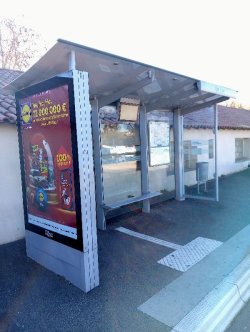 A bus shelter (common term for "passenger shelter" or "aubette") is an element of urban furniture installed at bus, coach, or tram stops. It protects passengers from the weather during their waiting time and generally includes information about schedules and transport lines.
Who manufactures the bus shelters in France?
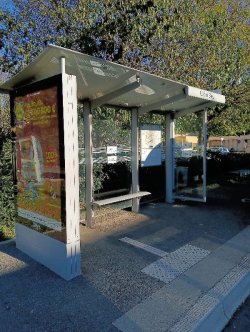 The main French manufacturers of bus shelters are JCDecaux (which also handles advertising operations), Metalco (Agora Makers group), Francioli, Polymobyl, and Procity. Cityz Media (formerly Clear Channel) is the second largest advertiser of urban furniture in France.
What is the standard size of a bus shelter?
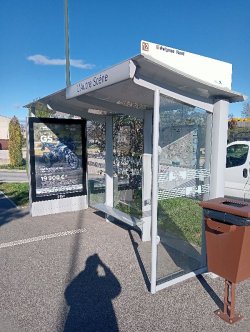 There is no one-size-fits-all. Dimensions vary according to models and manufacturers, but a standard passenger shelter measures approximately 3 to 4 meters in length, 1.20 to 1.50 meters in depth, and a minimum height of 2.20 meters (regulatory height for accessibility). Modular models allow the length to be adjusted by assembling multiple modules.
Are the bus shelters necessarily accessible to people with disabilities?
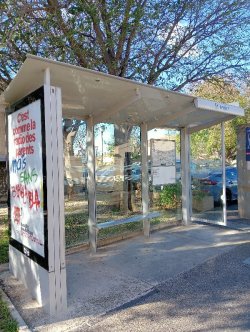 Yes. The law of February 11, 2005, and its implementing decrees require the accessibility of all public transport stops, including passenger shelters. This includes, among other things, level access, a turning area for wheelchairs, contrasting strips for visually impaired individuals, and a minimum canopy height of 2.20 meters.
How are bus shelters funded in cities?
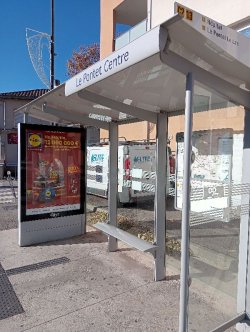 The dominant model is the public advertising urban furniture contract: the operator (JCDecaux, Cityz Media) installs and maintains the bus shelters free of charge in exchange for the right to display advertisements on them. For non-advertising shelters, funding comes from the local authority's budget, with the possibility of public grants.
How often should a bus shelter be cleaned?
The frequency depends on the context. In densely populated urban areas, monthly cleaning is the minimum recommended, with additional cleanings for the most frequented stops. In rural areas, quarterly cleaning may be sufficient. Graffiti removal or glass replacement interventions are carried out as needed, ideally within 48 hours of reporting.
Is smoking allowed in a bus shelter?
No. Since July 1, 2025, smoking is prohibited in bus shelters, at bus stops, and in all covered waiting areas in France. This measure aims to improve air quality in public transit spaces.
What is a smart or connected traveler's shelter?
A connected traveler's shelter integrates digital technologies: real-time information screens (schedules, disruptions), Wi-Fi, USB outlets for charging, photovoltaic panels for energy autonomy, and occupancy sensors. These facilities enhance passenger comfort and provide useful data for the management of the transport network.